















New York City joined the likes of London and Richardson, Texas, in electing its first Muslim mayor. Zohran Mamdani, the 34-year-old self-described Democratic Socialist, beat former Governor Andrew Cuomo and two-time Republican nominee Curtis Silwa by nearly 100,000 votes. The mayor-elect, upon taking office on Jan. 1, will become the youngest mayor in the city’s history. This victory was the defining moment in a strong election night for Democrats, especially after the gut-wrenching losses of 2024.
Mamdani’s path to City Hall was anything but guaranteed. When he entered the crowded Democratic primary, he polled at just 1%, trailing then-favorite Cuomo by 30 percentage points. After key cross-endorsements from both Comptroller Brad Lander and former DNC chair Michael Blake, Mamdani was able to secure the Democratic nomination, upsetting the former Governor.
Mamdani’s message resonated beyond the five boroughs in NYC, gaining national attention. Roughly 37% of his donations were from outside the city, signaling national or even international interest in his economically focused platform.
He ran an ambitious campaign focused on addressing the cost of living in New York City. He proposed economic reform focusing on delivering fast and free buses, universal childcare, and freezing the rent for two million New Yorkers. However, he received criticism during debates and on the campaign trail for being too idealistic, with his opponents and some colleagues arguing his policy to raise taxes on billionaires to New Jersey’s level could drive the upper class out of New York.
Surprisingly, Mamdani found it harder to win over his own establishment than the voters. Many moderate Democrats were slow to support him after he was named the Democratic nominee. Senate Minority Leader Chuck Schumer (D-NY) was one such holdout. When asked about his hesitancy, he said, “I’m going to continue talking to him.”
Although Schumer ultimately decided against endorsing him, House Minority Leader Hakeem Jeffries (D-NY) offered a timid endorsement a few days before early voting began.
“Zohran Mamdani has relentlessly focused on addressing the affordability crisis and explicitly committed to being a mayor for all New Yorkers, including those who do not support his candidacy,” he said. This endorsement came just a few days before early voting kicked off, and it didn’t seem to play a major role in helping Mamdani win moderate and older Democrats who overwhelmingly sided with Cuomo.
The visible hesitation of major Democratic leaders highlights the growing tension and disarray between moderates like Schumer and Jeffries and the party’s more progressive wing, embodied by Rep. Alexandria Ocasio-Cortez (D-NY) and Sen. Bernie Sanders (I-VT).
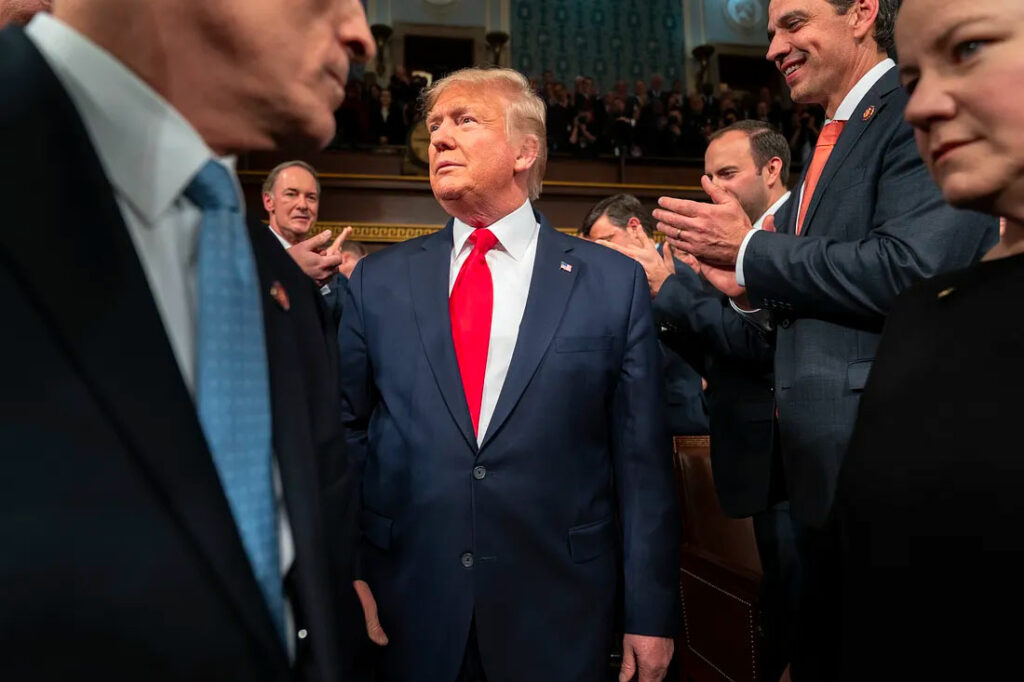
Mamdani’s win drew reactions from across the political spectrum. It especially caught the attention of the White House, with President Donald Trump (R) stating that Mamdani “would like to meet with us” and that they’ll “work something out.” President Trump is expected to host the mayor-elect on November 21st at the White House.
The win also sparked swift reactions and comments from fellow lawmakers and leaders.
At Mamdani’s watch party, Ocasio-Cortez stated that “Anything is possible in New York.”
On the other side of the aisle, Rep. Nicole Malliotakis (R-NY) said that “as people learn more about him, they’re going to reject his policies…because this is somebody who will make New York City less safe, less affordable.”
New York Governor Kathy Hochul (D-NY), who has repeatedly said she won’t increase income taxes, congratulated the mayor-elect: “I’m looking forward to working together to make our city more affordable and livable. Congratulations to him and to every New Yorker who made their voice heard in one of the city’s highest-turnout elections on record.” Interestingly, Hochul has repeatedly said she won’t increase income taxes, which is a key tenet of Mamdani’s plans.
Together, these reactions reveal just how polarizing Mamdani’s rise is, and how his administration could reshape politics far beyond the Big Apple.
While his social media presence and progressive platform were important factors in his triumph, Mamdani’s ability to appeal to the youth ultimately pushed him over the edge. He won roughly 75% of voters ages 18–30 and helped drive nearly two million people to the ballot box, marking the highest turnout in decades.
His campaign decided to prioritize listening and using youth input to shape his policies. Democrats struggled to win over the youth, especially young men. Mamdani’s campaign, which prioritized this demographic, proved highly effective and will likely influence other Democratic campaigns as we approach the 2026 midterms.
For Democrats looking to reclaim the House in the upcoming midterms, Mamdani’s victory indicates the growing popularity and importance of an economic-centered agenda. The party will need to prioritize policies that will generate tangible outcomes for voters. Additionally, adapting their platforms to match evolving opinions on foreign affairs will help ensure that voters feel better represented.
The impact of Mamdani’s breakthrough transcends a single election. His win reflects the ideological shift in Democratic politics, fueled by the youth and frustration with moderates. With socialism rising in the polls and capitalism falling, Democrats may see a different leader in the party before their 2026 midterms.
Whether this shift continues, New York City has chosen a new mayor—and a new direction.

Ron A • Nov 21, 2025 at 3:41 PM
Good work, well written and researched!