





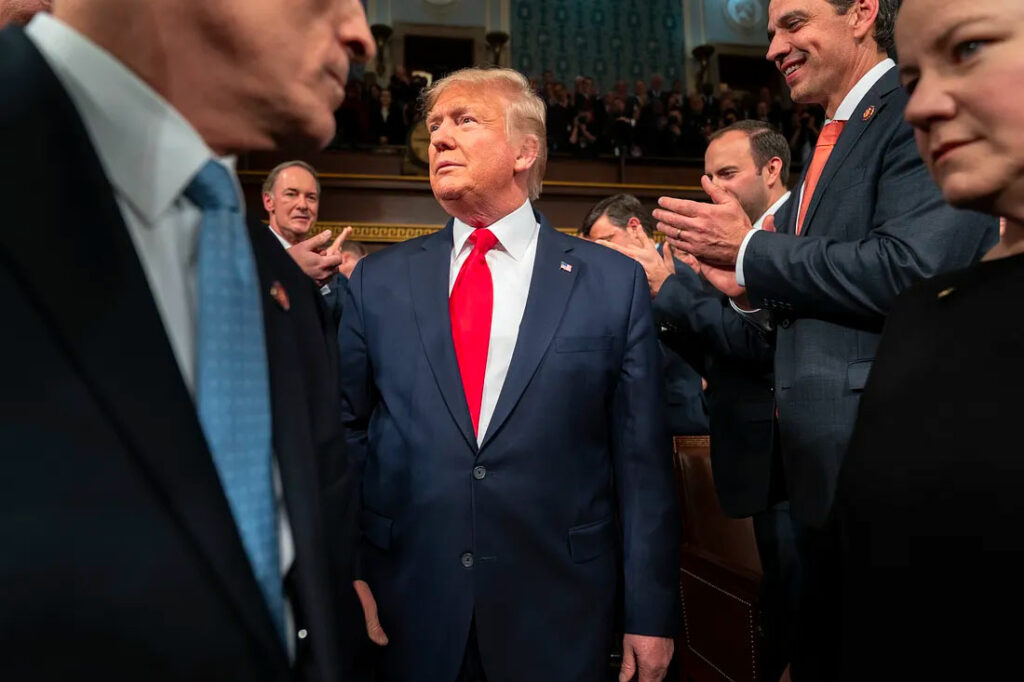









In Minneapolis, Minnesota, what began as a deportation campaign has spiraled into a series of violent incidents, fiery protests, and controversial deaths. ICE has focused its efforts to detain and deport undocumented immigrants in Minneapolis as part of Operation Metro Surge. Still, tensions between communities and law enforcement around the country have exploded. The city has become a center of demonstrations and political debate, but to many people, it has also become a battleground.
One of these people is Dunbar alum Nicole Salonek Schladt, who works as general counsel for the Minnesota Department of Human Rights. In an interview with PLD Lamplighter, Salonek Schladt spoke about her experience living in the city and fighting on the frontlines of these protests, including a personal violent encounter she had with ICE.
According to Salonek Schladt, she was standing 15 feet away from a group of ICE agents while inquiring about the personal information of three teenage detainees. There was no physical confrontation, but she was charged at and shot with two pepper balls at point-blank range by an agent. In her words, she “got the crap beaten out of [her].” Incidents like these between ICE and members of the public are being reported frequently.
Approximately two blocks away on that same morning, Renee Nicole Good was shot three times by ICE agent Jonathan Ross. When Schladt learned Good had been killed, she experienced a stark realization. “That could have been me,” she said. “I didn’t do anything different than what [Good] had done.”
Salonek Schladt spoke about constant activity and commotion “right outside [her] house,” but noted that ICE’s presence has brought the Minneapolis community together. She compared the atmosphere of the current situation to the community’s reaction after the death of George Floyd.
After his death, Minneapolis had already cultivated neighbor-to-neighbor infrastructure for safety and support. She said that those networks have been reactivated.
Community members are using their time and skills to support vulnerable families, such as neighbors who deliver groceries to those who haven’t left their homes in over a month out of fear. Other volunteers, known as “commuters,” follow ICE agents in their cars, honking behind their vehicles to warn others.
The circle expands beyond Minneapolis, too. Salonek Schladt said that community organizers are flying in from other states to learn, assist on the ground, and take practices back home.
She said that part of her role is providing legal strategy and advice, but not everyone can contribute in the ways they may want. Salonek Schladt said her 15-year-old son is determined to take part in the action on the frontlines, but she emphasizes the importance of young people staying away from dangerous environments.
Her message to the younger generation: “Take care of yourself. Let others do the tough work.”
She said her teenage son volunteers to deliver groceries, allowing him to make a meaningful contribution safely. He also participated in a school-wide walkout. Other teens across the nation have also had walkouts, including Dunbar’s on Feb. 10.
“Everybody has a role in the movement and in defending democracy,” she said, “and the more infrastructure there is ahead of time, the faster communities can act.”
Despite her admitted pessimism, she said the community’s incredible resilience and solidarity are a true source of hope, as citizens from all walks of life have organized to protect vulnerable neighbors through mutual aid and resistance.
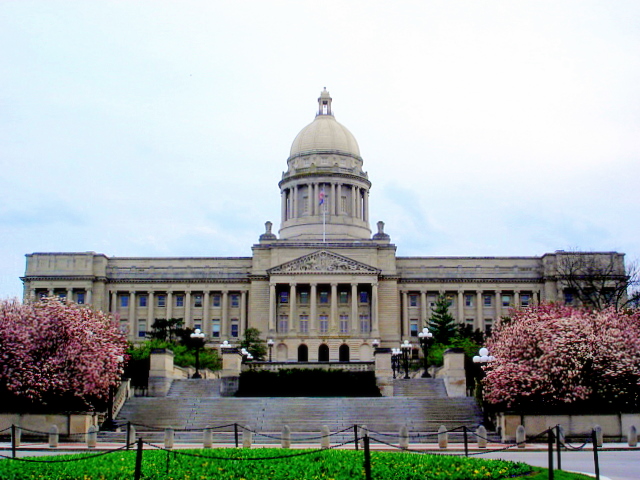
While the situation in Minneapolis may seem distant, ICE has already found its way into Kentucky, with 27 ICE officers operating independently. Local authorities have been collaborating with ICE since early March 2025, the first being the Grayson County Sheriff’s Office, and the most recent being the McCracken County Sheriff’s Office in January.
There are also 11 county jails contracting with ICE to hold detainees.
Additionally, several bills have been filed this legislative session that would require Kentucky agencies to work alongside ICE.
However, Governor Andy Beshear, during an appearance on The View, countered this notion.
“Every ICE agent should be withdrawn from every city and every community that they’re in,” he said.
On X, the US Immigration and Customs Enforcement (@ICEgov) responded, “We’ll continue to ‘withdraw’ criminal aliens from Kentucky regardless of your rhetoric, Governor.”
As federal enforcement expands and state leaders debate their roles, communities across the country are responding in different ways—through protest, policy, and preparation. For some, the issue remains political. For others, it is deeply personal. What is clear is that immigration enforcement is no longer distant from the communities watching it unfold.
In Minneapolis, neighbors have built networks of support. In Kentucky, officials continue to debate the future of cooperation. And at Dunbar, students are paying attention. As Salonek Schladt said, “It doesn’t end here.”
****
This story was updated on Feb. 13 to include the response of ICE to Gov. Beshear’s comments on The View
****
To support Nicole Salonek Schaldt’s neighbors impacted by the ICE occupation, visit https://gofund.me/fc5278d81.