















Nearly 1 in 8 Americans rely on food stamps, according to U.S. Department of Agriculture (USDA) data. These benefits are provided through the Supplemental Nutrition Assistance Program (SNAP), which is funded through discretionary spending, part of the federal budget Congress must approve each fiscal year.
When Congress failed to pass a budget by Sept. 30, the government shut down, and concerns quickly arose about future SNAP payments. While the scheduled benefits for October were already funded and delivered successfully, the status of November’s benefits was in jeopardy. As pressure mounted, a lawsuit brought the situation to court. A federal judge gave the USDA two choices: pay the full November benefits by accessing other funds or provide partial payments by dipping into their contingency fund, money kept aside for emergencies. The USDA chose the latter.
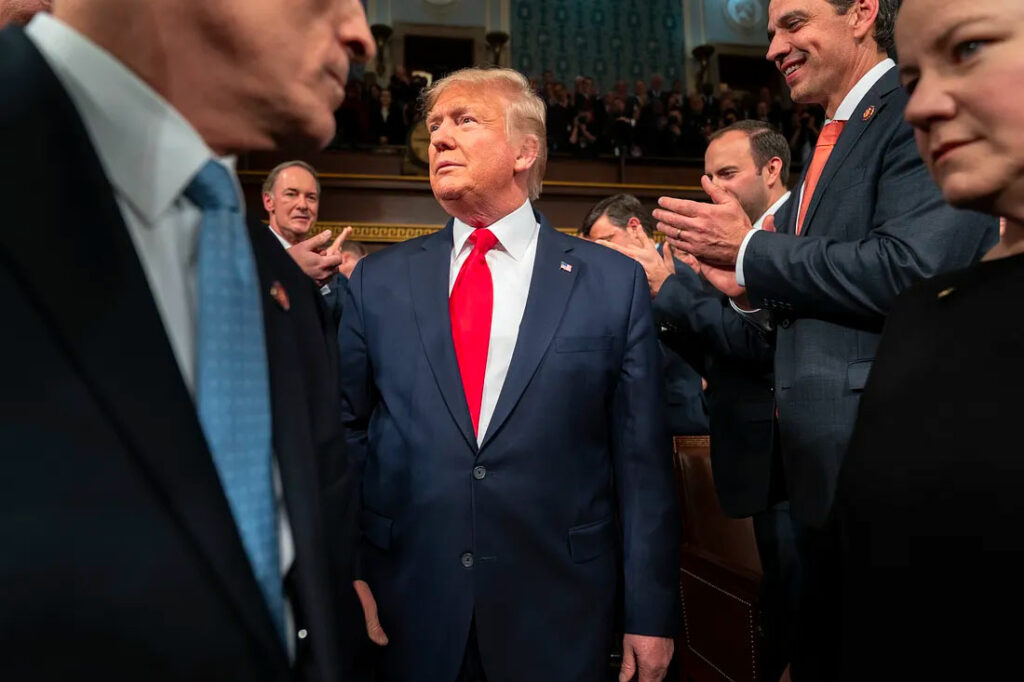
Later, another court ordered that the administration release the SNAP benefits in full, but the Supreme Court swiftly blocked this order to grant an appeals court more time to make a decision. In the meantime, the Trump administration ordered states to pause full payments entirely, and if they didn’t, they risked losing federal funding for administrative expenses. They demanded that states issue 65% of the usual payment instead.
The USDA has never had to decrease payments across the board like it is now, complicating payment delivery. These challenges are causing widespread delays, and according to CNN, it could take weeks to months in some states.
This situation affects America’s most vulnerable populations. A USDA analysis of 2023 fiscal year data found that nearly 80% of households receiving SNAP benefits have a child, an elderly person, or a disabled individual.
They will now have to turn to other food assistance programs, but according to Feeding Texas, the state association for food banks, “the shutdown adds another layer of strain to an already stretched emergency food system.” Similarly, ABC reports that food banks may run out of supplies in a few weeks “unless drastic action is taken or the government reopens.” This problem is affecting Kentucky organizations as well. Vincent James, president and CEO of the Dare to Care Food Bank in Louisville, said that 30 days is “not enough time to … cover the gap that SNAP benefits are going to leave our neighbors in need.” To help support local agencies, Governor Andy Beshear (D) has diverted $9.1 million of extra state funding to Kentucky’s Senior Meals program, according to WDRB.
On a positive note, Gina Plata-Nino, interim director of SNAP at the Food Research & Action Center, said that the government will issue retroactive payments to those who only receive partial benefits this month.
For more information on the impact of the government shutdown on SNAP benefits in Kentucky, visit the Cabinet for Health and Family Services.
*****